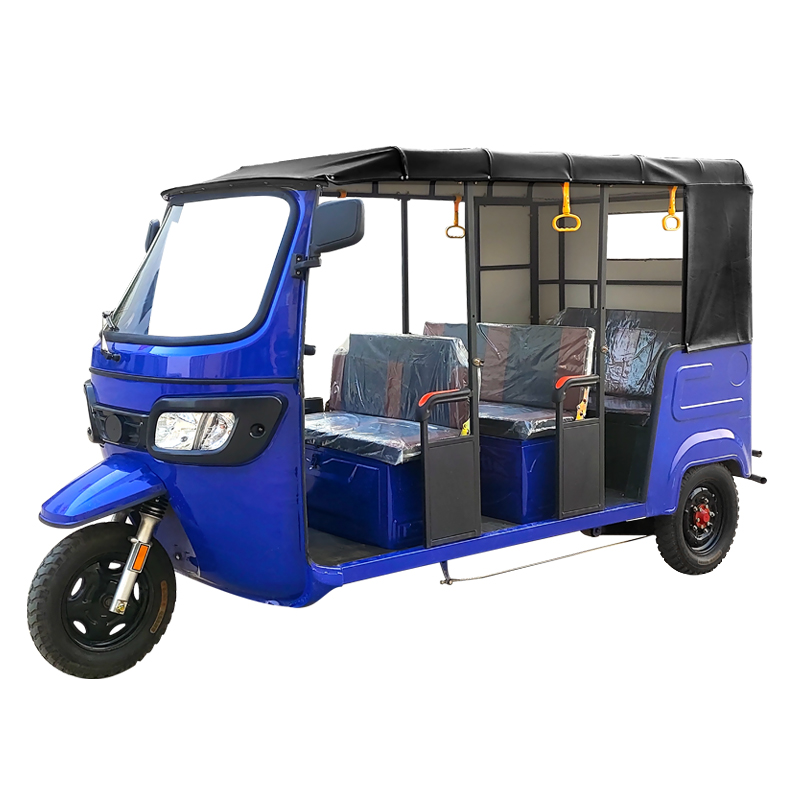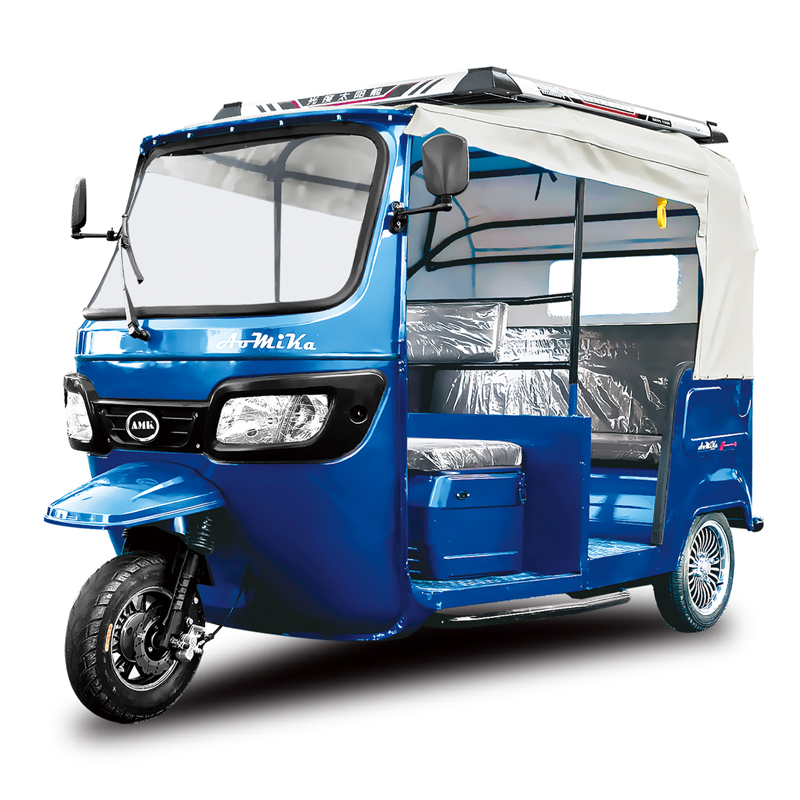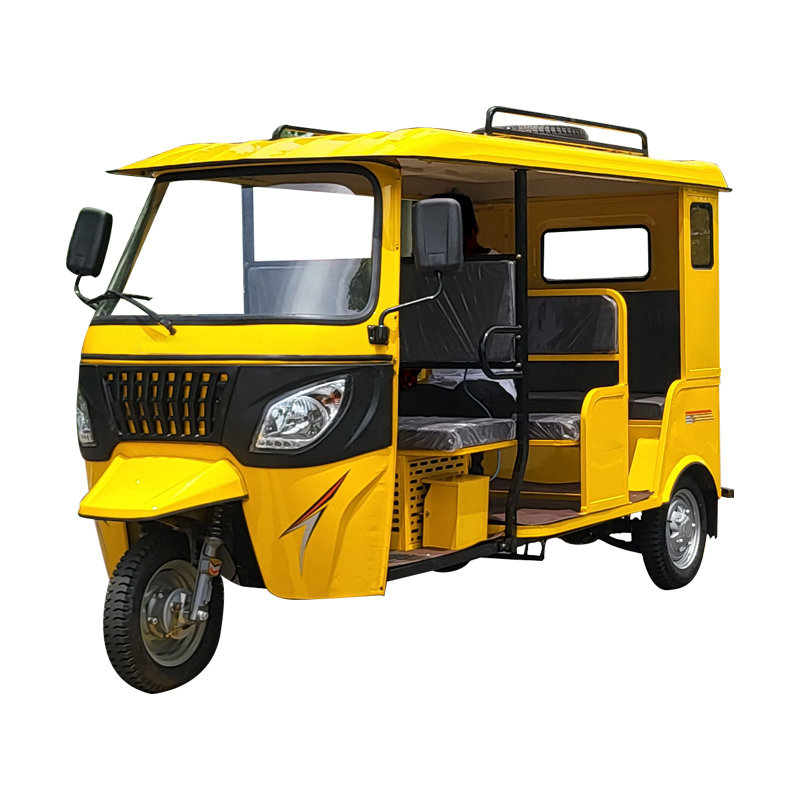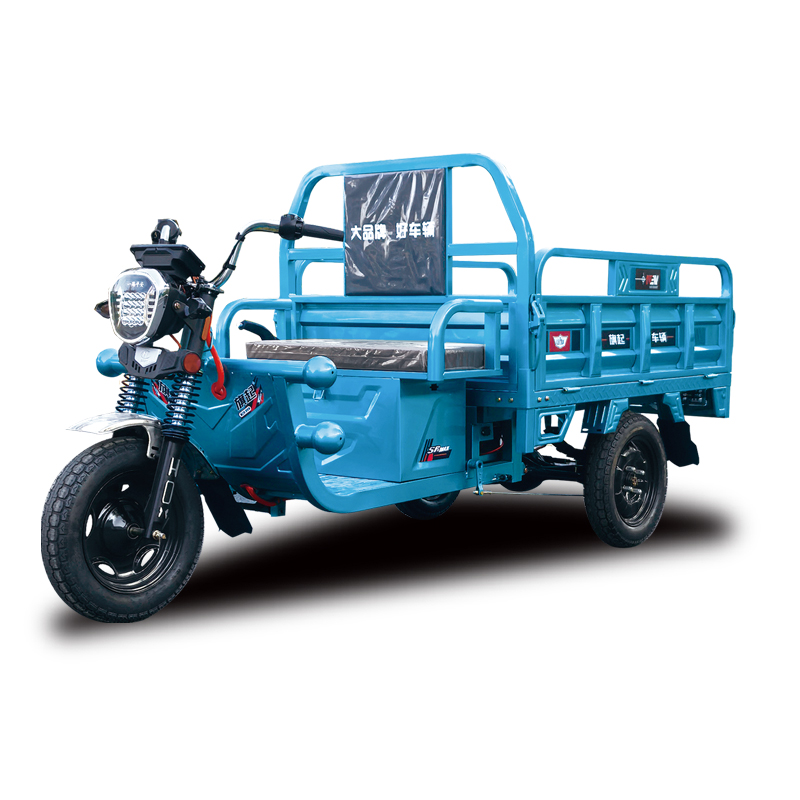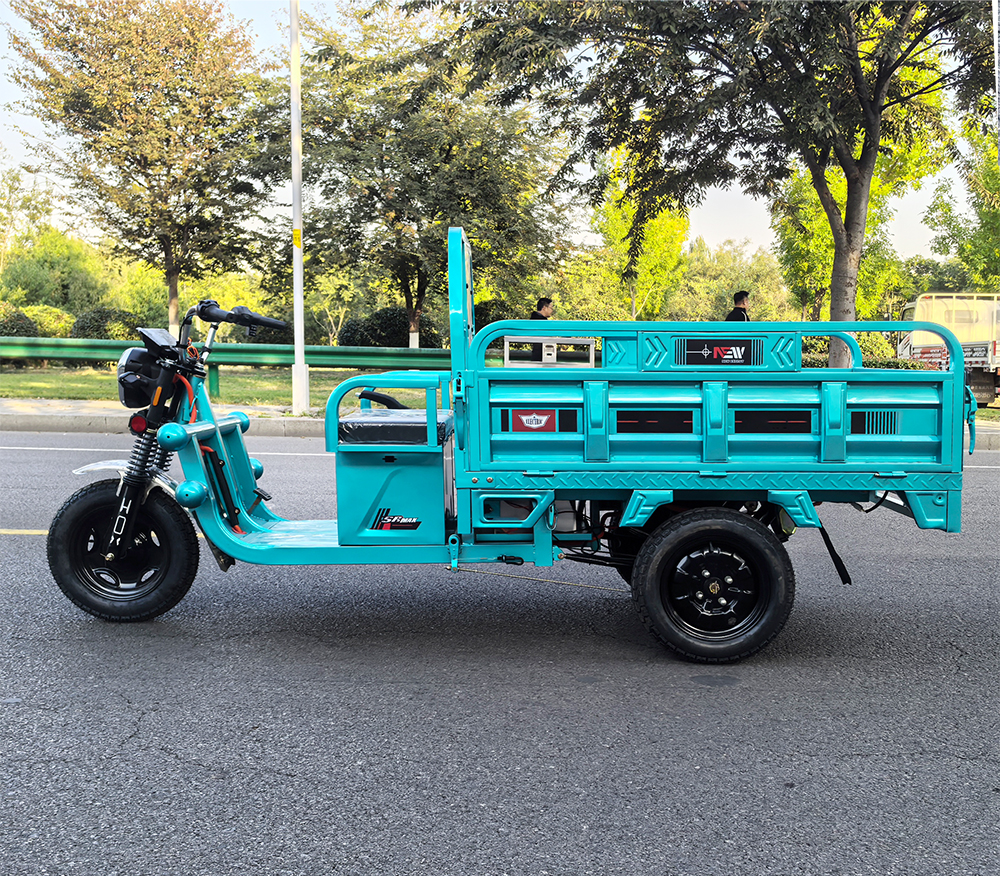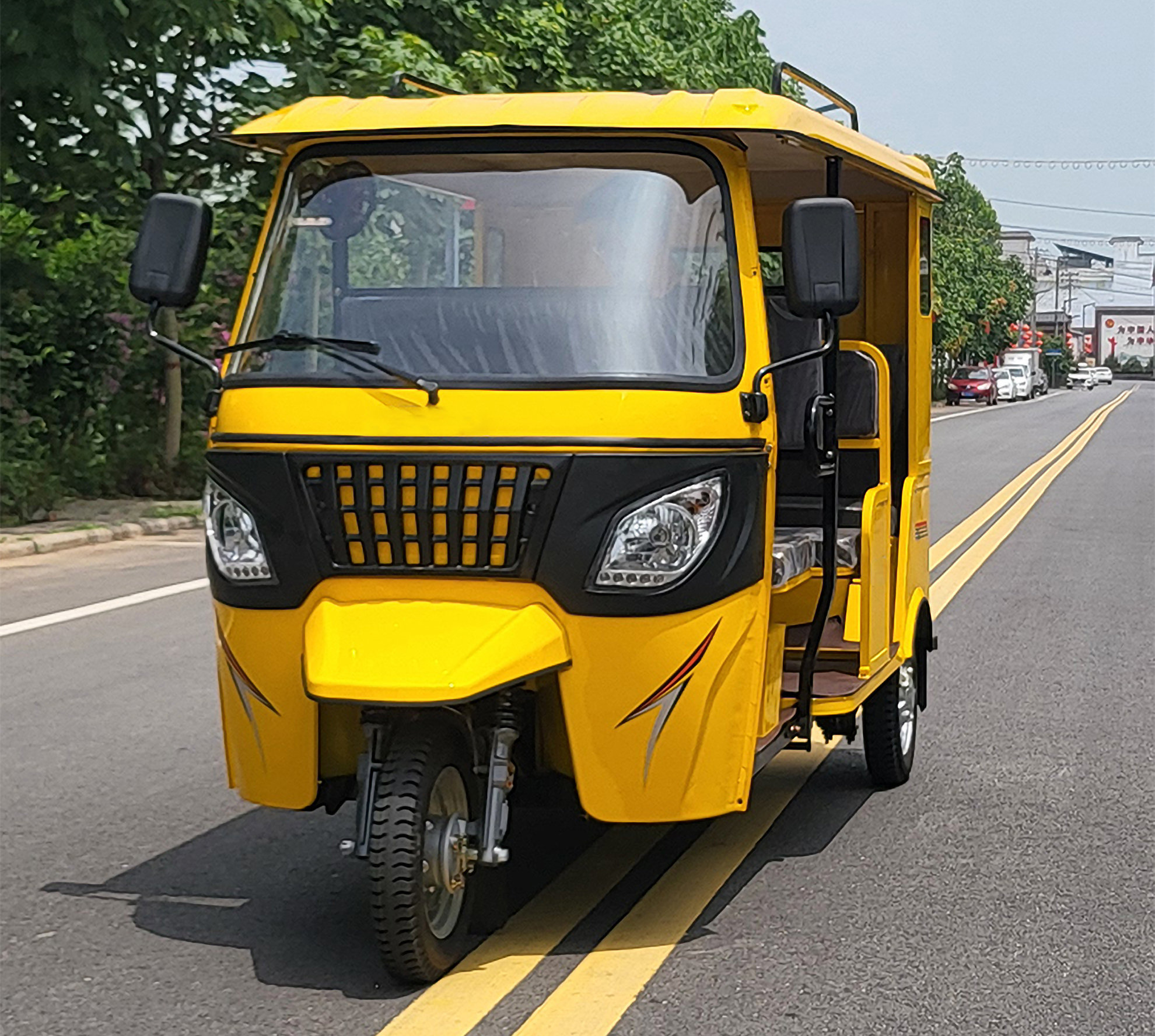
If you’ve visited a tourist attraction, resort, park, or scenic area in recent years, you may have noticed something interesting: almost all sightseeing vehicles are electric. From electric shuttle buses to small electric four-wheelers, fuel-powered vehicles are becoming rare in these environments.
So why is that? Is it just about environmental trends, or are there practical reasons behind this choice? Let’s take a closer look from the perspective of operators, drivers, and visitors.
Tourist attractions are designed for relaxation, sightseeing, and immersion in nature or culture. Noise pollution can easily ruin that experience.
Electric vehicles operate with minimal noise, which:
Preserves a peaceful atmosphere
Allows visitors to enjoy natural sounds
Reduces complaints from tourists
Fuel vehicles, especially when starting or climbing slopes, can be loud and disruptive. In contrast, electric sightseeing vehicles move smoothly and quietly — and honestly, that makes a huge difference.
Many tourist destinations are located in environmentally sensitive areas such as parks, lakes, mountains, or historical zones. Using electric vehicles helps:
Reduce air pollution
Protect plants and wildlife
Meet local environmental regulations
In some regions, fuel vehicles are restricted or completely banned inside scenic zones. Electric vehicles naturally become the only practical choice.
This connects closely to earlier blogs where we discussed why electric vehicles are favored in farms and rural areas — clean operation matters more than people think.
Sightseeing vehicles usually operate on fixed routes with:
Short distances
Frequent stops
Low average speeds
These conditions are ideal for electric vehicles. Unlike fuel engines, electric motors are highly efficient in stop-and-go situations and low-speed operation.
Fuel vehicles consume more energy in these conditions, while electric vehicles handle them effortlessly. Some people thinks electric vehicles struggle in daily use, but sightseeing routes prove the opposite.
For attraction operators, cost control is a key concern. Electric sightseeing vehicles significantly reduce operating expenses by offering:
Lower energy costs compared to fuel
Minimal maintenance requirements
Fewer mechanical failures
As discussed in previous blogs about cost savings and maintenance, electric vehicles eliminate oil changes, engine repairs, and complex transmission systems. Over time, the savings become very obvious.
Tourist vehicle drivers often operate all day in crowded environments. Electric vehicles provide:
Smooth acceleration
Simple controls
Predictable braking
This makes them easier to drive, especially for staff with limited driving experience. Reduced vibration and noise also help drivers stay focused during long shifts.
Safety, as we explored in earlier blogs, is not just about speed — it’s about control and stability.
Sightseeing vehicles usually follow fixed daily schedules, returning to the same parking or maintenance area every evening. This makes overnight charging simple and efficient.
Operators don’t need complex charging infrastructure — standard charging setups are often enough. Compared to refueling fuel vehicles daily, charging electric vehicles is more convenient and predictable.
Finally, electric sightseeing vehicles support a modern, eco-friendly brand image. Many attractions actively promote sustainability, and electric vehicles help reinforce that message.
Visitors increasingly expect responsible practices. Using electric vehicles sends a clear signal that the attraction values environmental protection and visitor comfort.
So, why are sightseeing vehicles at tourist attractions almost always electric? The answer lies in practicality, not just trends. Quiet operation, zero emissions, lower costs, ease of use, and suitability for short routes all make electric vehicles the logical choice.
When viewed alongside what we’ve already discussed about electric vehicles in farms, cargo transport, and daily operations, one thing becomes clear: electric vehicles are not just alternatives anymore — they are often the better solution.