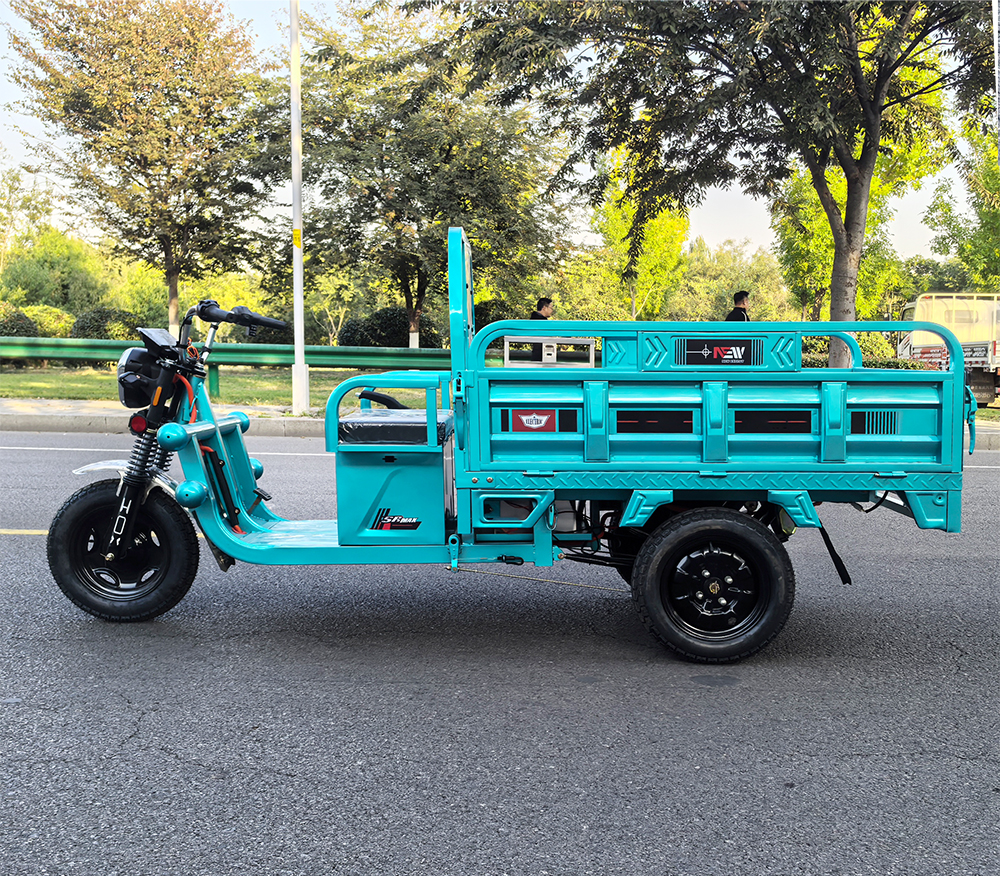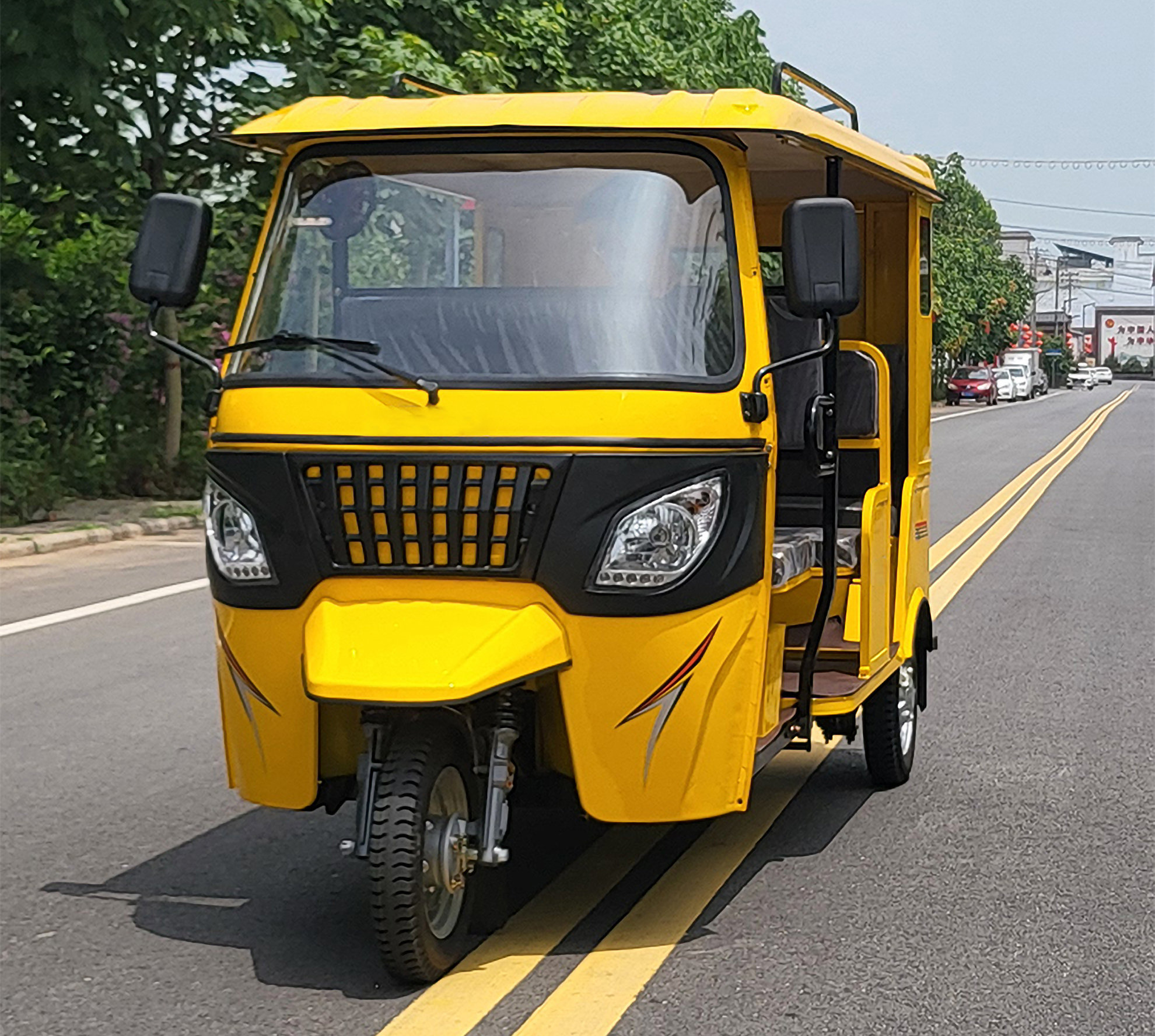
Electric tricycles have become a preferred choice for many individual users who need daily transportation or light cargo moving. As we discussed in previous blogs—such as how driving style affects battery performance and how electric models compare to fuel-powered tricycles—the way you operate your vehicle makes a big difference in long-term performance.
Today’s article goes a bit deeper into everyday driving habits. These are simple practices that help users extend battery life, reduce maintenance costs, and enjoy smoother rides. And honestly, some of these habits are easier than people think.
Electric tricycles deliver instant torque, but hitting the throttle too hard can drain the battery quickly and increase wear on the motor. Smooth starts help the battery maintain a stable discharge and reduce strain on the drivetrain.
And here’s the thing: smooth acceleration also improves safety, especially when you’re riding with cargo.
Just like we mentioned in earlier blogs about maximizing mileage per charge, maintaining a consistent speed is key. Frequent speeding up and slowing down forces the battery to output power in unstable patterns.
A steady cruising speed helps your tricycle reach its maximum distance on a single charge — kind of a win-win.
Although electric tricycles are designed to carry cargo, always stay within the rated load capacity. Riding while overloaded makes the controller, motor, and battery work much harder than they should.
Over time, this reduces battery cycles and increases the likelihood of component overheating. It’s simple: respect the load rating, and the vehicle will last much longer.
This one is easy to overlook. Tires with low pressure create higher rolling resistance, which consumes more power. On the other hand, overinflated tires reduce stability. Keeping tire pressure at the recommended value ensures smoother rides and reduces unnecessary battery drain. Some people forget this step because it looks trivial, but it makes a noticeable difference.
Hard braking affects not only your brake system but also your battery usage. Even though electric tricycles don’t rely on regenerative braking as much as electric cars, smoother deceleration still helps maintain energy efficiency.
Try anticipating stops early. This habit makes rides more comfortable and reduces wear on mechanical components.
This is a small but useful tip. Right after the charger shuts off, your battery voltage is at its peak. Giving it a few minutes before riding helps stabilize the internal temperature and voltage. Riding immediately won't damage the battery in one day, but doing it every day for years might accelerate wear — it’s a detail many people ignore.
When riding in hot weather or climbing slopes, avoid long periods of high-load operation. If the motor feels too hot, stop for a moment and let it cool. Some users assume the motor can handle anything — it is durable, but it is not magic.
And yeah, sometimes people forget that electric systems need rest too; that’s kind of funny actually.
Good driving habits do more than improve performance — they help extend your electric tricycle’s lifespan, reduce battery replacement frequency, and make daily use more efficient.
As we discussed in previous blogs, electric tricycles already offer lower operating costs compared to fuel vehicles. But with the right habits, users can save even more and enjoy longer, more stable performance from their electric models.