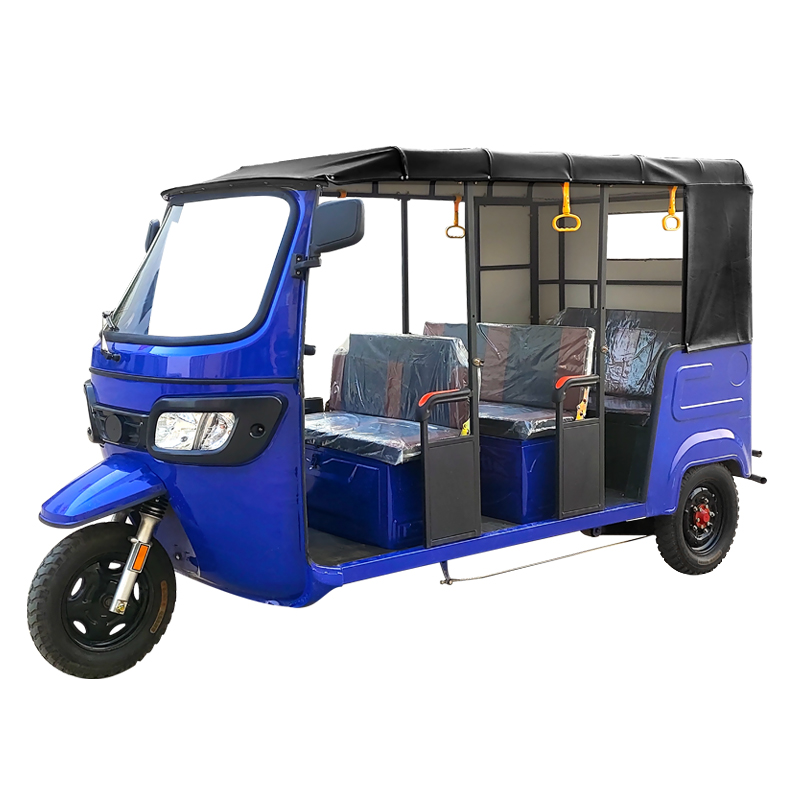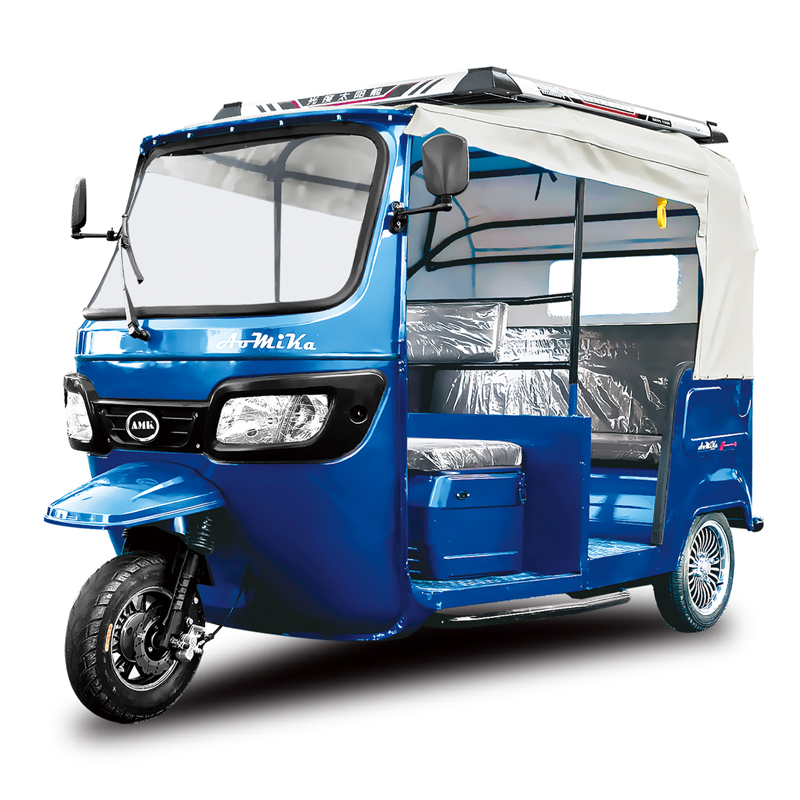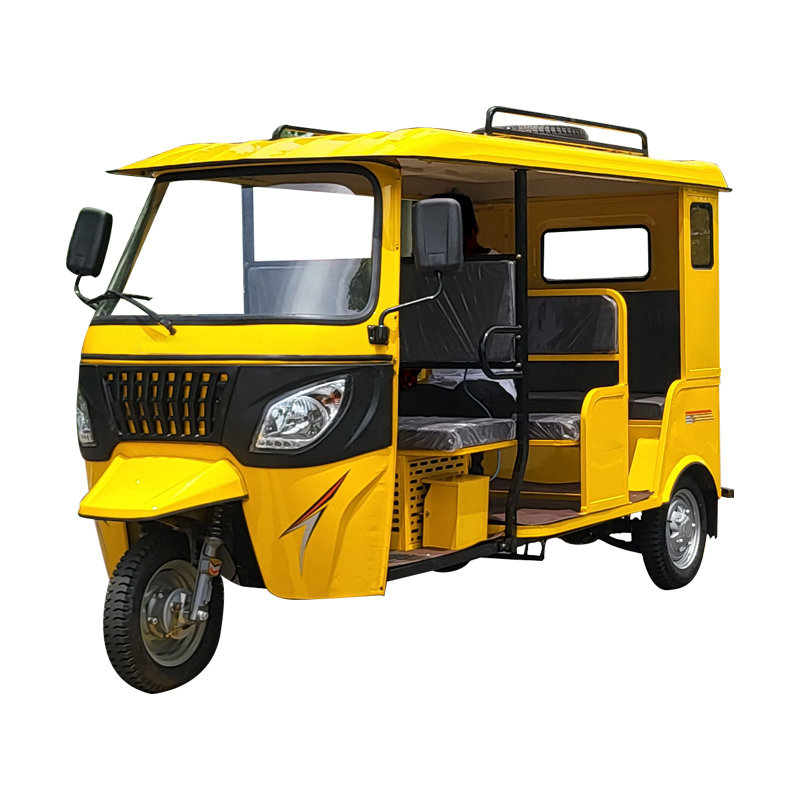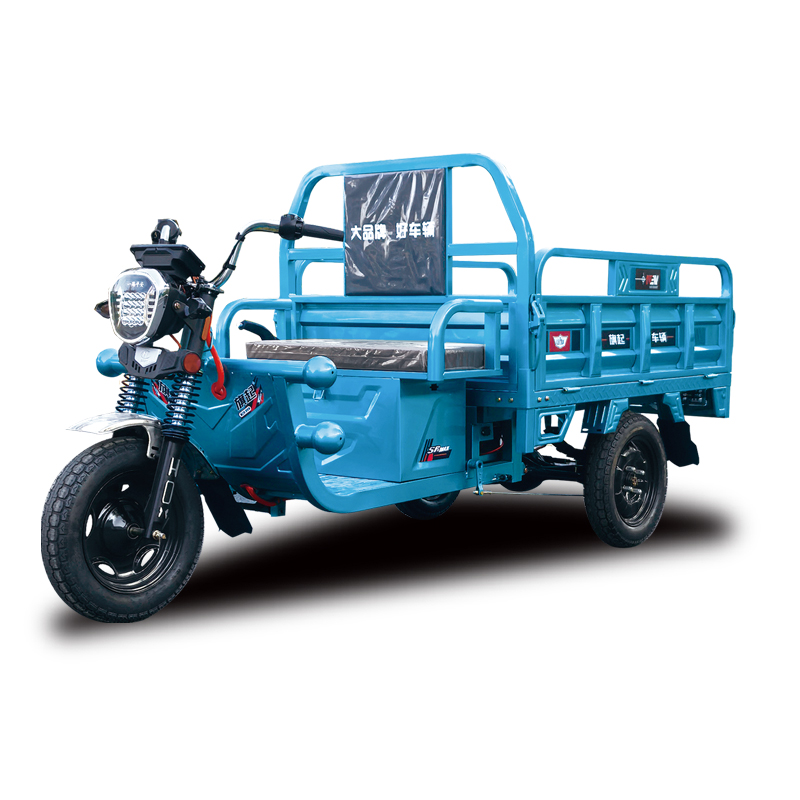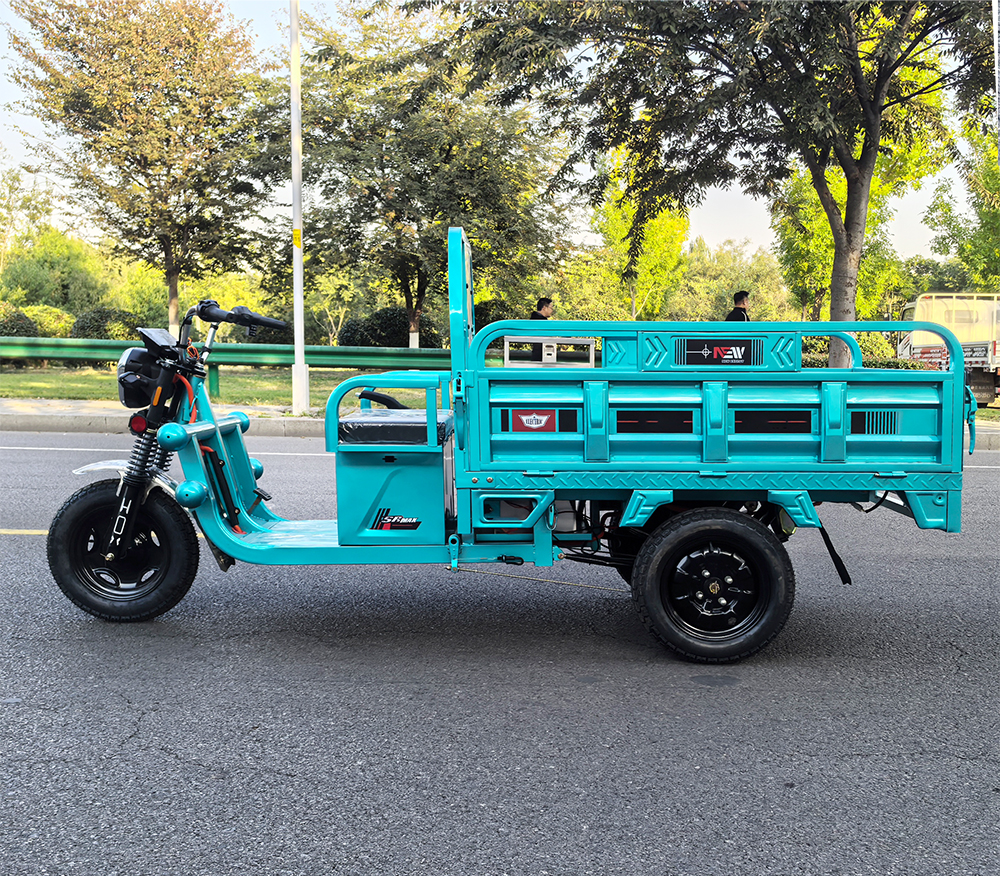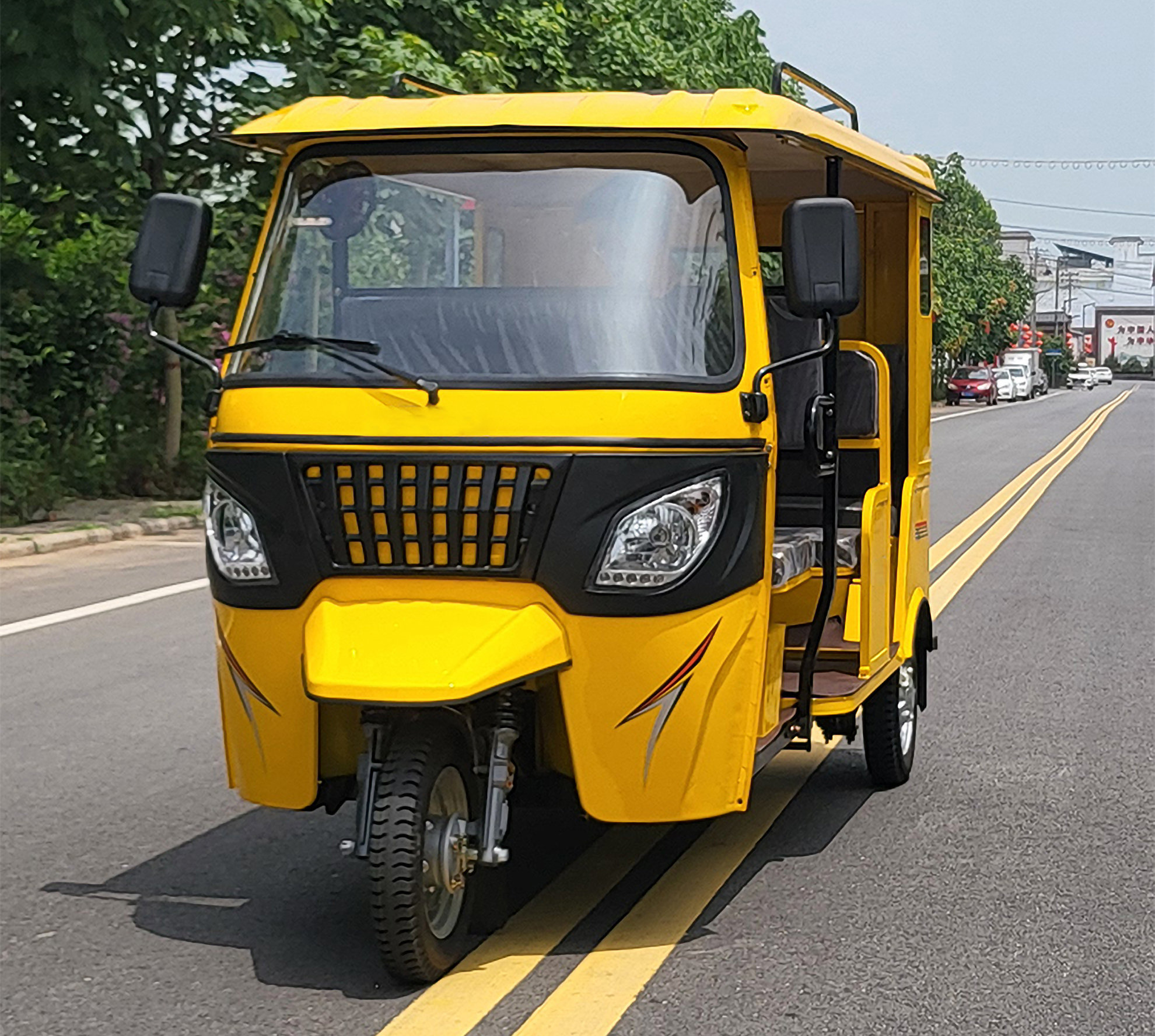
Over the past few years, an interesting trend has emerged across Europe: Chinese electric cargo tricycles are appearing more frequently in cities, rural towns, and even tourist areas. Once considered a niche vehicle mainly used in Asia, these three-wheel electric vehicles are now gaining attention from European farmers, small businesses, and last-mile delivery operators.
So what’s driving this shift? Let’s look at the real reasons behind the growing popularity.
European cities are facing increasing pressure to reduce congestion and emissions. At the same time, rural and semi-urban areas still require practical vehicles for short-distance cargo transport.
Electric cargo tricycles fit perfectly into this gap because they:
Operate efficiently at low speeds
Take up less road and parking space
Handle short-distance, high-frequency transport
As we discussed in earlier blogs about farm usage and sightseeing vehicles, not all transport tasks require large vehicles. In many cases, smaller and more flexible solutions are actually better.
Europe has some of the world’s strictest environmental regulations. Many cities now enforce:
Low-emission zones
Fuel vehicle restrictions
Incentives for electric transport
Electric cargo tricycles meet these requirements easily. With zero tailpipe emissions and low noise, they are allowed in areas where fuel vehicles are restricted. This policy-driven shift has accelerated adoption across multiple countries.
Fuel prices in Europe have remained high and unpredictable. For small businesses and individual operators, fuel-powered vans or trucks are becoming expensive to run.
Electric cargo tricycles offer:
Much lower energy costs
Minimal maintenance
Predictable daily expenses
This directly connects to our earlier blogs comparing electric and fuel vehicles. When operators calculate total cost of ownership, electric tricycles often come out ahead — sometimes by a wide margin.
One major reason Chinese electric cargo tricycles stand out in Europe is cost-performance balance. Chinese manufacturers have:
Mature electric vehicle supply chains
Flexible customization options
Competitive pricing without sacrificing basic functionality
European buyers are not just chasing low prices; they want reliable products that solve real problems. Chinese electric tricycles meet this demand well. Some people still thinks Chinese vehicles are low-end, but market reality is changing fast.
Electric cargo tricycles are increasingly used in Europe for:
Local delivery and courier services
Farm and greenhouse transport
Maintenance work in parks and campuses
Short-range commercial logistics
Their simple structure, easy driving, and compact size make them accessible even for operators without professional driving experience. Honestly, that ease of use matters more than many buyers expect.
European communities place high value on noise control. Electric cargo tricycles operate quietly, which makes them ideal for:
Early morning deliveries
Residential neighborhoods
Tourist-heavy areas
As we discussed in sightseeing vehicle blogs, low noise improves both user experience and public acceptance. This benefit translates directly into smoother daily operations.
What started as curiosity has now become acceptance. As more electric cargo tricycles appear on European roads, trust increases. Users share experiences, businesses test pilot projects, and municipalities begin to recognize their value.
Once people see these vehicles working reliably in real conditions, hesitation fades.
So why are Chinese electric cargo tricycles becoming popular in Europe? The answer lies in practical needs, cost efficiency, environmental policies, and real-world performance.
They are not replacing all traditional vehicles — and they don’t need to. Instead, they are filling a very specific and growing gap in Europe’s transport ecosystem. When combined with proper usage and maintenance, electric cargo tricycles prove that sometimes, simpler solutions are the smartest ones.