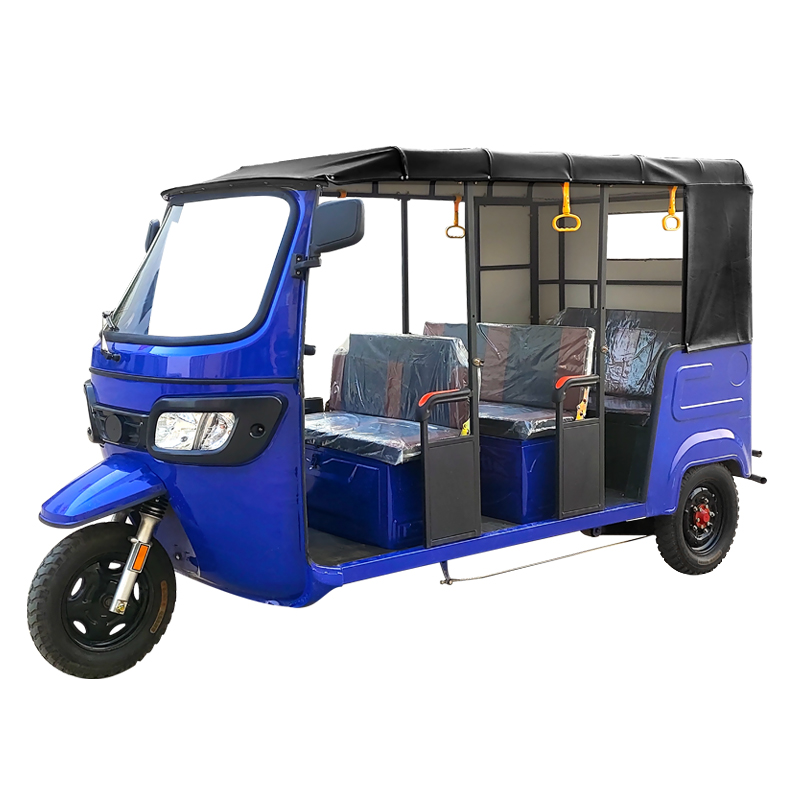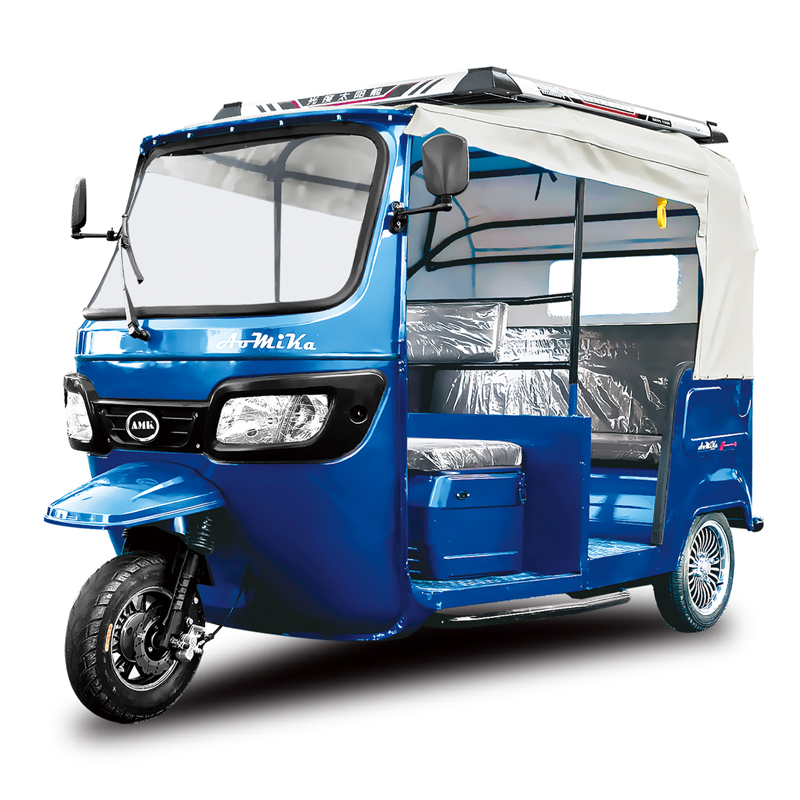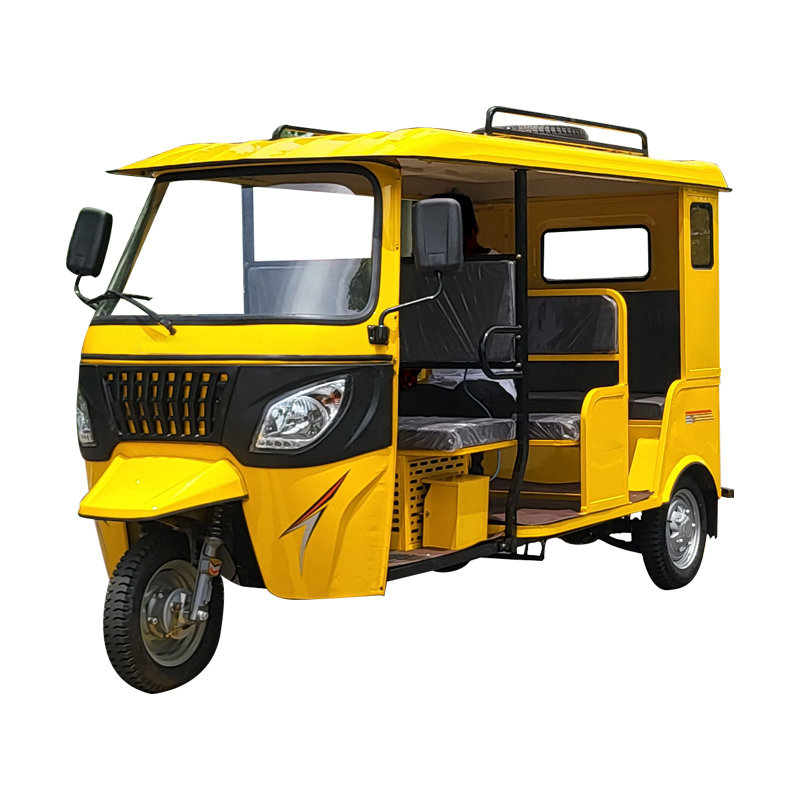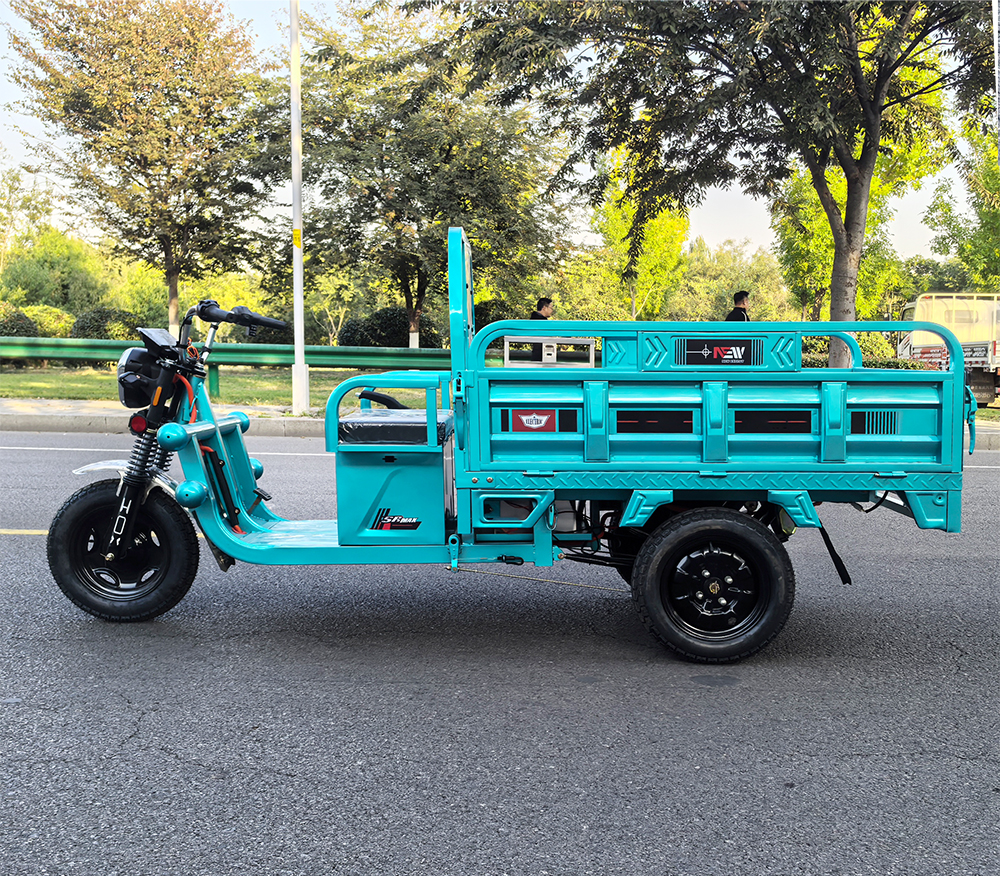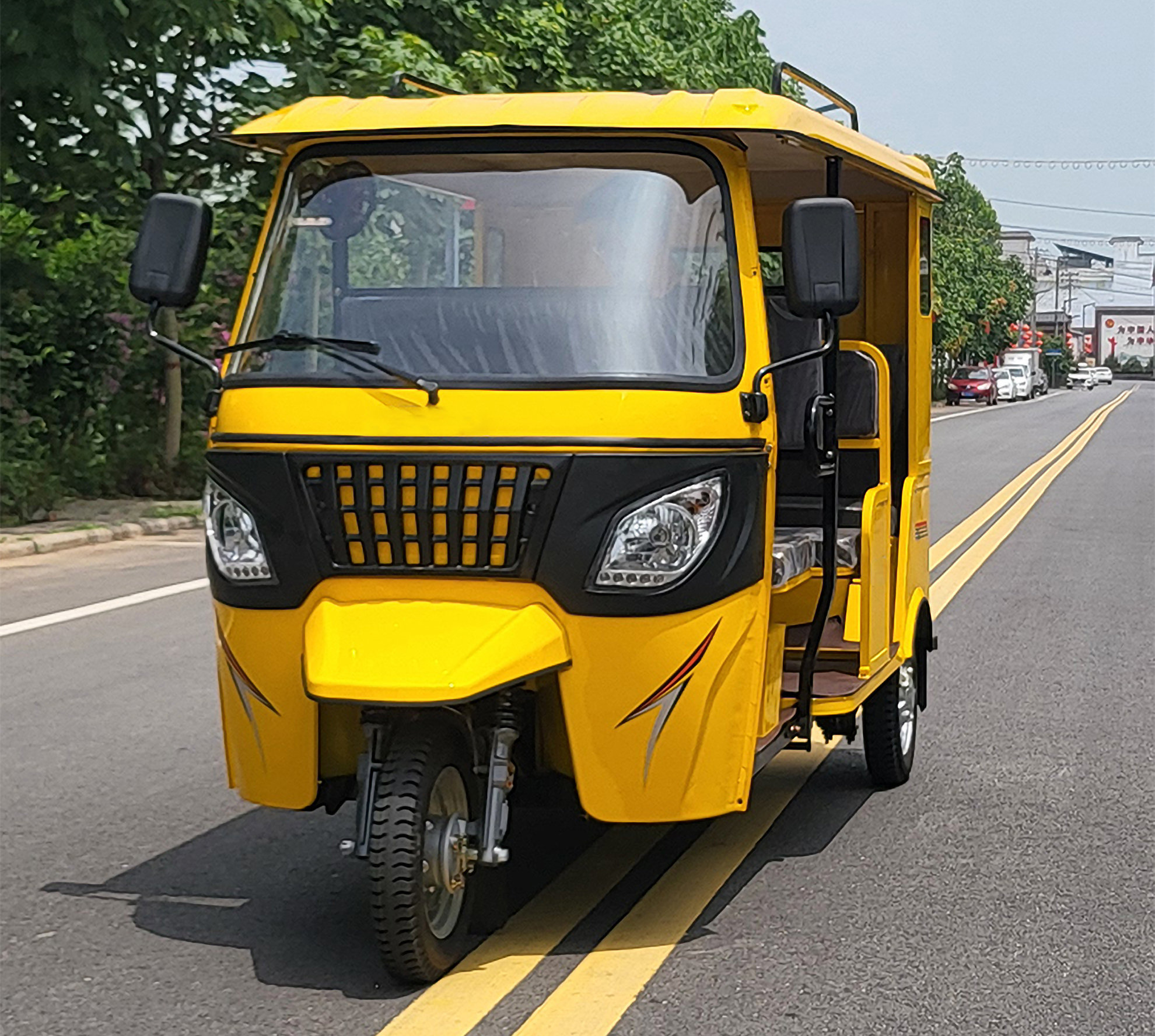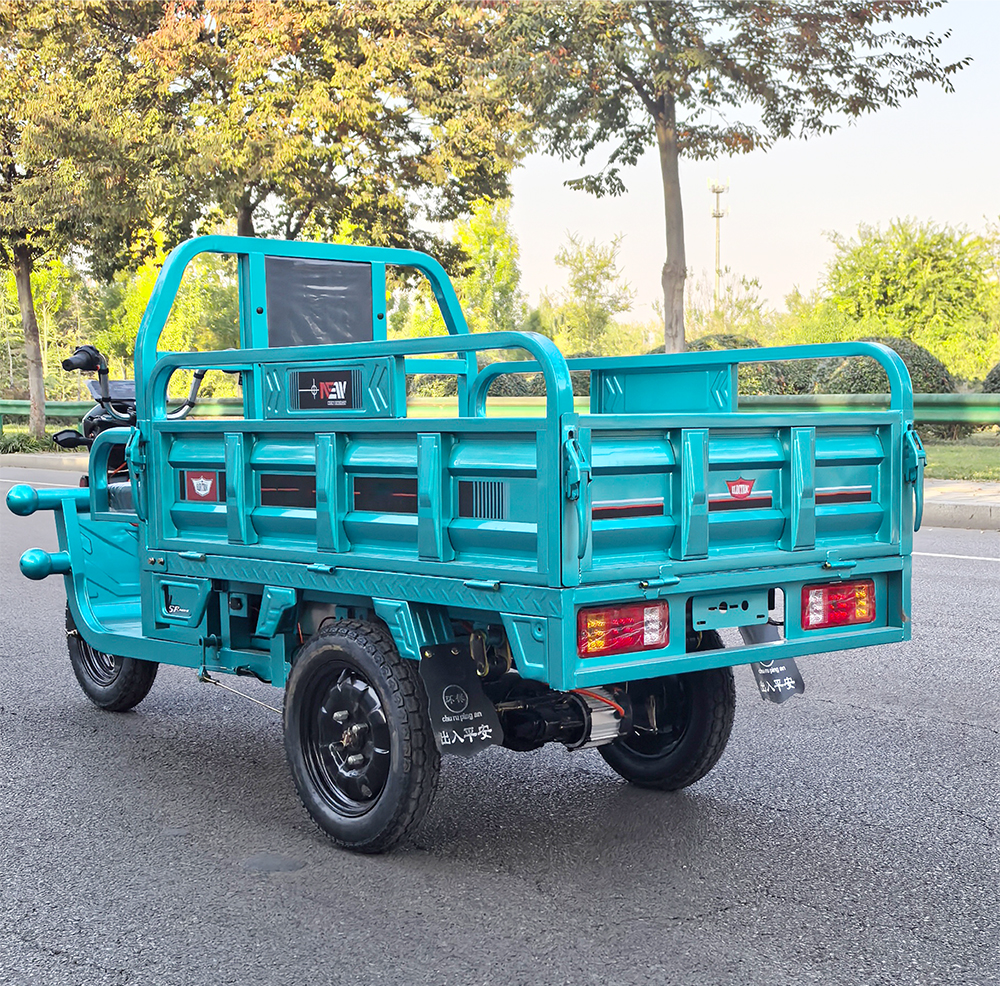
Choosing the right charger for your electric tricycle is just as important as selecting the right battery. Many users focus on battery type—like lithium vs lead-acid—but overlook the charger, which directly affects charging efficiency, battery lifespan, and safety.
In fact, using the wrong charger can shorten battery life significantly or even cause overheating issues. So, how do you choose the right charger for your electric tricycle battery? Let’s break it down in a simple and practical way.
The first thing to check is battery voltage compatibility.
Electric tricycles typically use:
48V systems
60V systems
72V systems
👉 Your charger voltage must exactly match your battery voltage.
For example:
A 60V battery must use a 60V charger
A 72V battery must use a 72V charger
Using the wrong voltage charger can lead to:
Undercharging (reduced range)
Overcharging (battery damage or safety risks)
It sounds obvious, but many users still get this wrong when replacing chargers.
After voltage, the next key factor is charging current (A).
Charging current determines how fast your battery charges:
Lower current → slower but safer charging
Higher current → faster charging but more heat
Typical charger current ranges:
Lead-acid batteries: 5A – 10A
Lithium batteries: 10A – 30A (depending on BMS capacity)
For example:
A 60V 20Ah battery with a 5A charger may take 6–8 hours
The same battery with a 10A charger may charge in 3–4 hours
But here’s the thing—faster is not always better. Excessive current can reduce battery lifespan if not properly managed.
Different battery types require different charging logic.
Use multi-stage charging (bulk → absorption → float)
Designed to prevent overcharging
More tolerant but slower
Require precise voltage control
Work with Battery Management Systems (BMS)
Faster charging capability
👉 Never mix chargers between lithium and lead-acid batteries.
Even if the voltage matches, the charging profile is completely different. Using the wrong charger can damage the battery.
Modern electric tricycles increasingly use smart chargers, especially for lithium battery systems.
Fixed output
No advanced protection
Lower cost
Automatic shut-off when fully charged
Temperature protection
Short-circuit protection
Battery health optimization
For commercial users—like delivery services or farms—a smart charger is highly recommended because it improves both safety and long-term battery performance.
Different electric tricycles may use different charging connectors.
Common types include:
3-pin connectors
DC barrel connectors
Custom industrial plugs
Before buying a charger, always confirm:
Plug type
Pin configuration
Polarity
Otherwise, even a technically correct charger may not physically connect to your vehicle.
Chargers generate heat during operation, especially high-power chargers.
A good charger should include:
Built-in cooling fan
Heat-resistant casing
Stable internal components
Cheap chargers often lack proper cooling, which can lead to overheating and reduced lifespan.
And honestly, this is one of those things people only realize after problems happen.
Safety should never be compromised when choosing a charger.
Important features include:
Over-voltage protection
Over-current protection
Short-circuit protection
Auto shut-off when fully charged
These features are particularly important for high-capacity electric cargo tricycles, where batteries are larger and charging loads are higher.
Let’s make it practical.
Recommend: High-quality smart charger
Reason: Frequent use, larger batteries, higher load
Recommend: Medium current smart charger
Balance between speed and battery health
Recommend: Standard charger (lower current)
Lower cost, sufficient for light usage
As we discussed in previous blogs about battery lifespan and charging cycles, proper charging habits are just as important as battery quality.
Here are some frequent mistakes users make:
Using mismatched voltage chargers
Mixing lithium and lead-acid chargers
Choosing overly fast chargers without proper control
Ignoring connector compatibility
Using low-quality chargers to save cost
One wrong charger choice can reduce battery life by half, which is something many users underestimate.
Choosing the right charger for your electric tricycle is not complicated, but it requires attention to detail.
The key factors are:
Voltage compatibility
Charging current
Battery type
Safety features
Build quality
If these elements are properly matched, your electric tricycle will perform better, charge safely, and last longer.