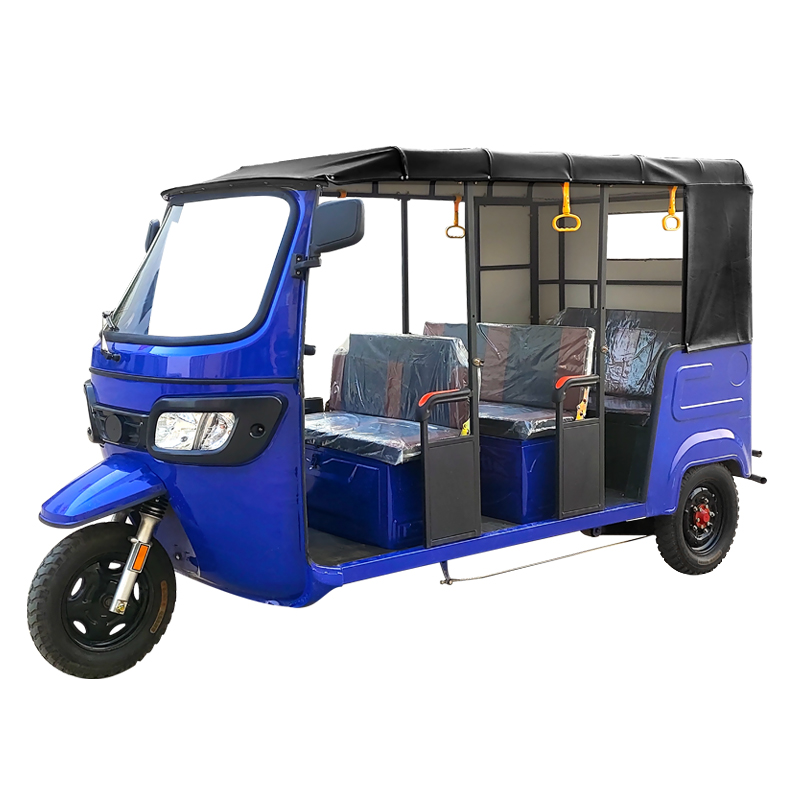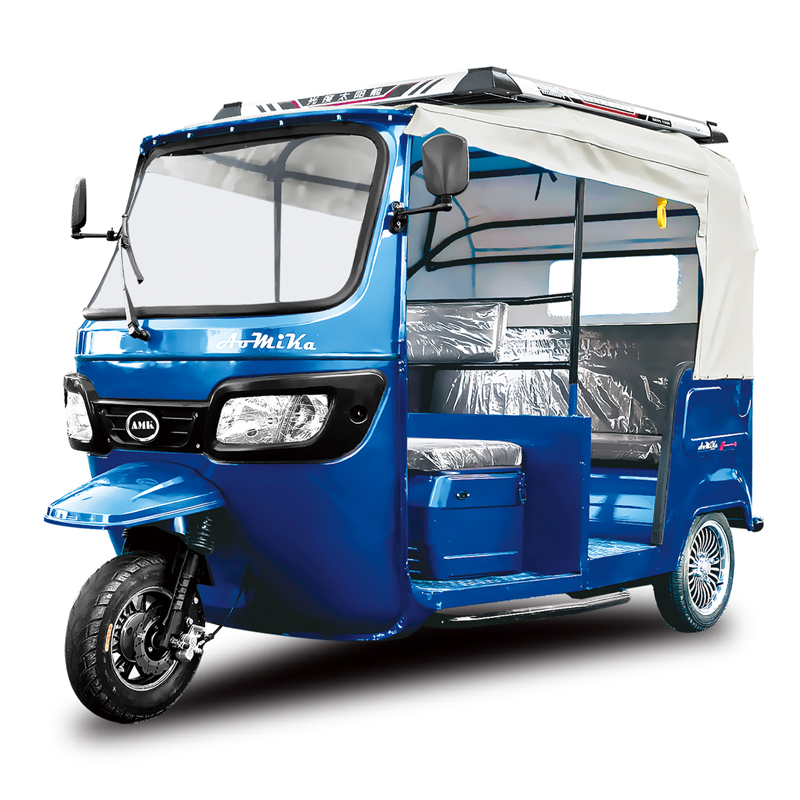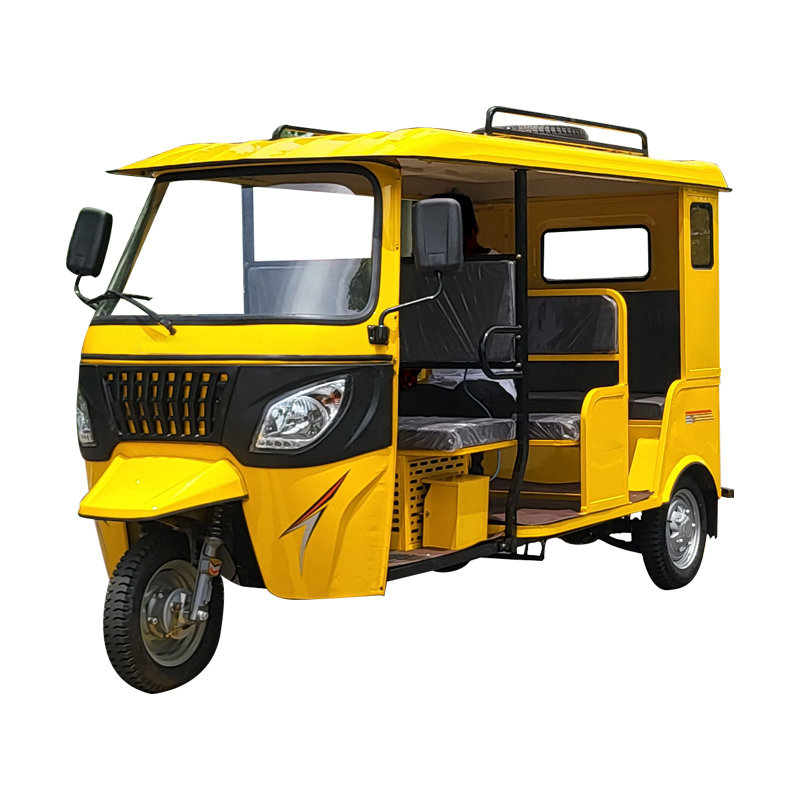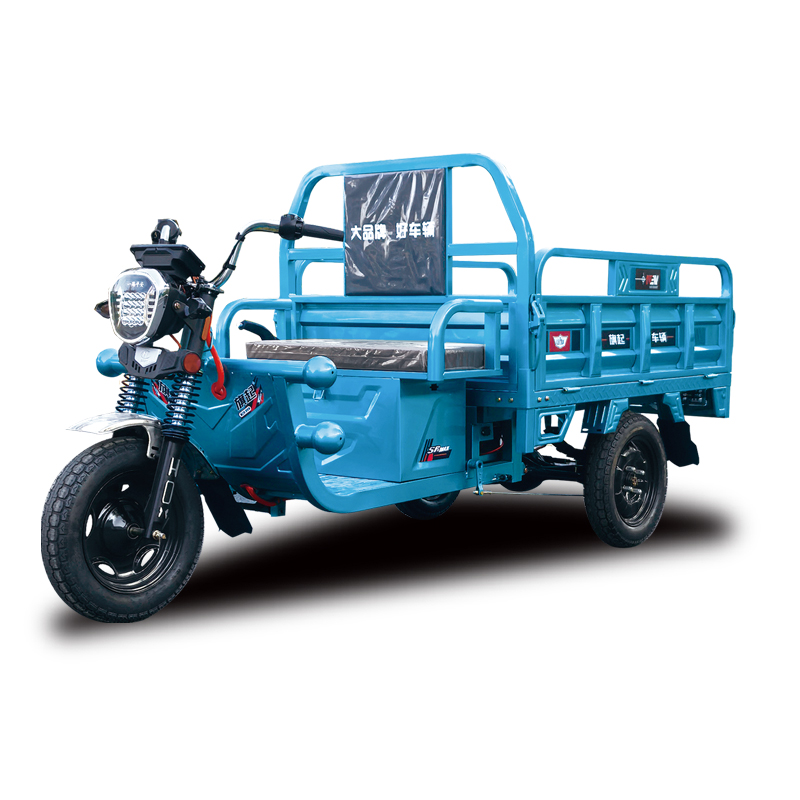
Mountain roads bring unique driving challenges — long climbs, steep descents, continuous curves, and unpredictable weather conditions. Whether you use a vehicle for personal mobility or for small business transportation, performance on mountain terrain is often a key concern. In previous blogs, we explored driving habits, winter usage tips, and how load affects electric tricycles and four-wheelers. Today, we take the discussion one step further: how do electric vehicles (EVs) compare to fuel vehicles on mountain roads?
Let’s break down the factors that truly matter.
Electric motors are known for their instant torque. This means EV tricycles and EV four-wheelers deliver power immediately when you press the accelerator. On mountain roads, this gives electric vehicles a clear advantage because:
They don’t need to downshift like fuel engines
Power delivery is smoother
Starting on a slope is easier and safer
Fuel vehicles, on the other hand, must reach a specific RPM to deliver optimal torque. If the engine lags, the climb becomes slower and less stable. In fact, many riders comment that electric tricycles “feel stronger” even if the rated power seems similar.
Mountain driving often involves slow climbing and controlled descending. EVs are naturally more efficient at lower speeds because:
Motors have high efficiency in low-RPM operation
Stop-and-go movement wastes less energy
Regenerative braking (if available) recovers power on descents
Fuel vehicles consume significantly more fuel during uphill climbs, especially when fully loaded. This links directly to our previous blog about cost savings — EVs reduce energy expenses in most real-world scenarios, including mountain usage.
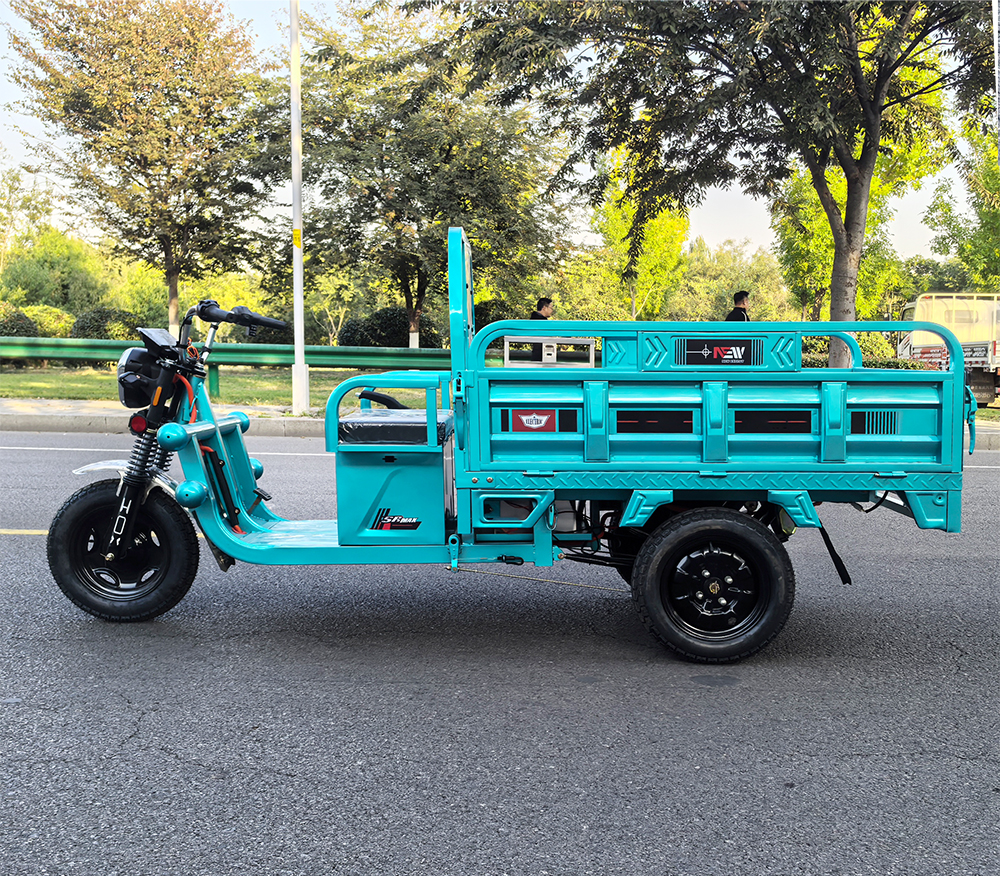
Electric cargo tricycles distribute torque smoothly, which helps maintain balance even when carrying goods uphill. Since many of our customers use EV tricycles for last-mile delivery or agricultural transportation, this consistent power output is a big advantage.
Fuel vehicles can carry heavier loads overall, but when climbing slowly with weight, engine strain becomes obvious. This often leads to overheating, noisy operation, and higher fuel consumption.
Electric vehicles typically use motor braking in addition to mechanical brakes, allowing smoother deceleration on long downhill slopes. This combination reduces brake wear and increases safety.
Fuel vehicles rely mainly on mechanical brakes. Continuous braking on steep slopes can lead to brake fade — a serious safety risk.
Mountain driving exposes vehicles to:
Dust
Mud
Temperature swings
Long climbs that stress engines
Electric vehicles handle these conditions better thanks to their simplified structure:
No engine overheating
No oil changes
Fewer moving parts
Fuel vehicles require much more frequent checks in these environments, especially regarding engine oil, gear oil, and cooling systems.
On mountain roads, comfort is not just luxury — it directly impacts safety. Electric vehicles offer:
Low vibration
Minimal noise
Smooth throttle response
This makes them more comfortable for long uphill routes. Fuel vehicles, on the other hand, often get louder and more strained when climbing. After a few hours, drivers definitely feel the difference.
While fuel vehicles still excel in long-distance, high-load, or high-speed mountain travel, electric tricycles and four-wheelers offer better performance for everyday use, especially for:
Short- to medium-distance mountain commuting
Delivery and farm use
Repeated daily uphill travel
Users looking to reduce energy cost
Some people thinks fuel engines perform better everywhere — but that’s no longer true with modern EV power systems.
Ultimately, the best choice depends on your usage, but for the majority of individual users and small businesses, EVs now hold a strong advantage.